Trang
1件のフィードバック
高市早苗首相は、日本はもはや戦争中の行為のために近隣アジア諸国に謝罪をし続ける必要はない、そもそも日本は自衛権を行使していたにすぎない、という右翼的な発言で知られた政治家だ。その姿勢が、日本の国内世論では支持を得て、高い支持率を維持してきた。ただし、国内における政権支持率は、当然のことながら、対外政策における主張の妥当性までを保証するわけではない。
中国に対して毅然とした態度をとるべきだ、という主張が、歴史をいくぶんか恣意的に解釈するのは当然のことである、といった安易な姿勢につながっていくとすれば、それは長期的には日本の足元をふらつかせる悪影響をもたらす恐れがある。

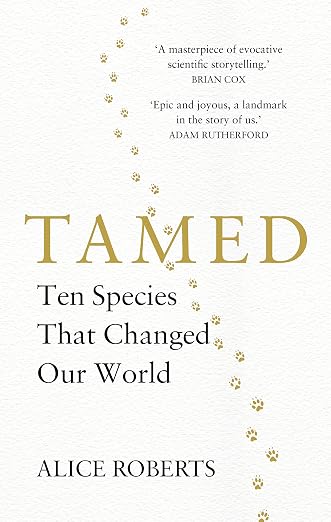 For hundreds of thousands of years, our ancestors depended on wild plants and animals to stay alive – until they began to tame them.
Tamed tells the story of the greatest revolution in human history and reveals the fascinating origins of ten crucial domesticated species; and how they, in turn, transformed us.
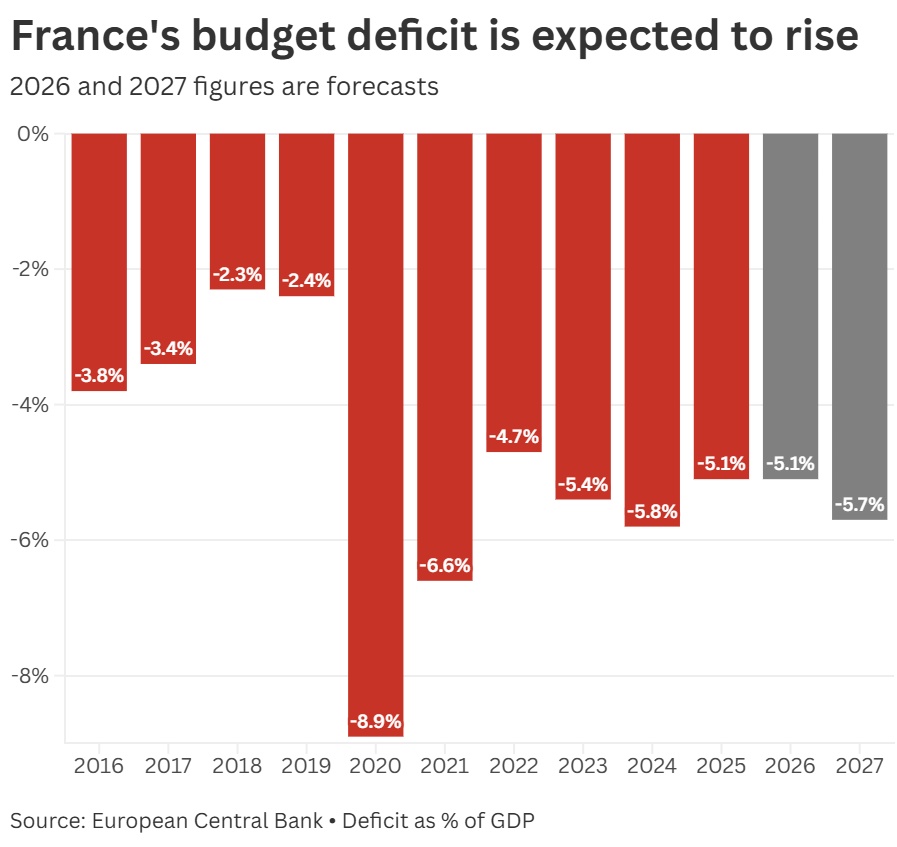
France is subject to the EU’s excessive deficit procedure, with the bloc recommending the country bring its national deficit closer to a reference value of 3%. Last year, France’s deficit reached 5.1% of GDP.
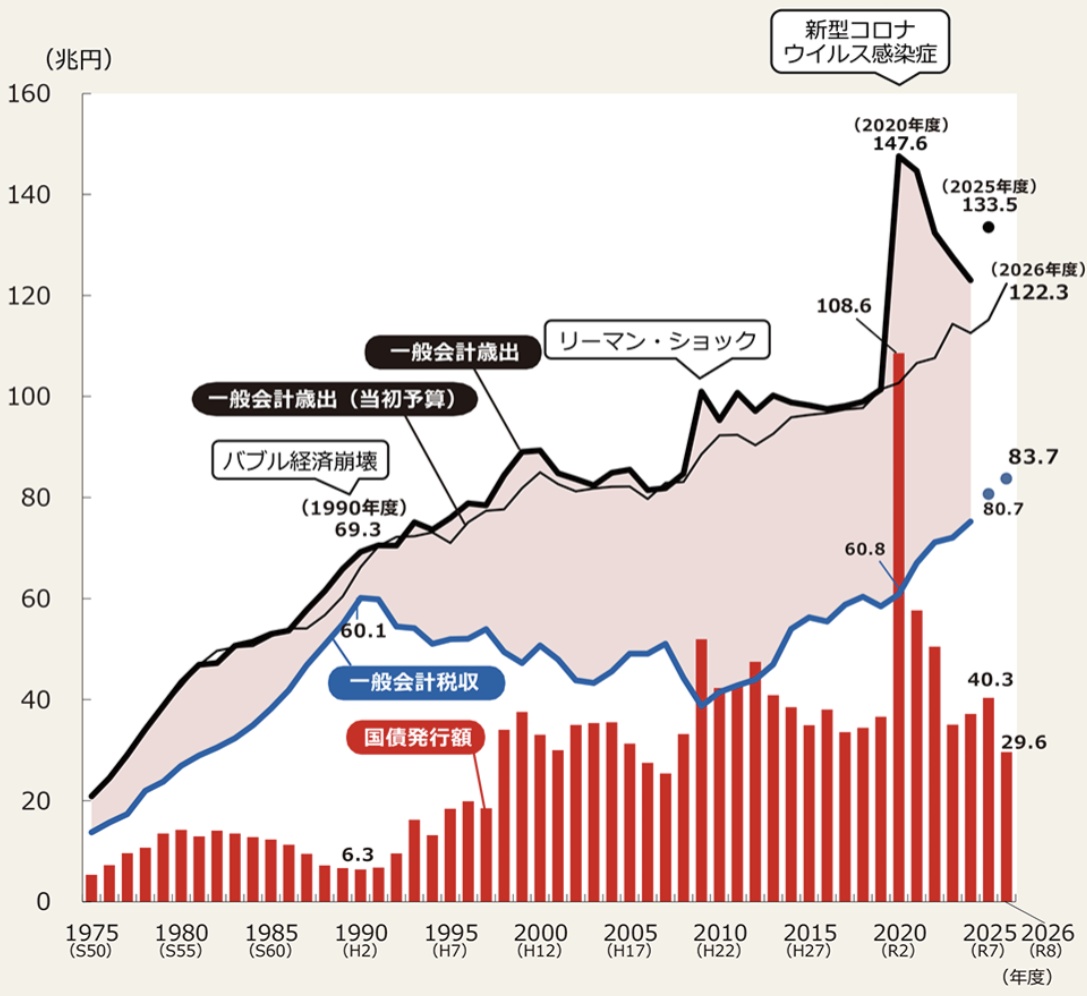
● 東日本大震災
・ 直接損失:16.9兆円、復興予算:17.7兆円 → 財政は耐えた
● 南海トラフ地震
・ 2年で必要な財政支出:161兆円(東日本の5.9倍) → 国家的破局
● 首都直下地震
・ 長期的経済損失:678兆円 → 財政・経済の長期縮小
● 富士山噴火
・ 首都圏機能停止 → 税収の急減 → 財政危機が連鎖
巨大災害が起きれば、東日本大震災のときのように日本の財政が持ちこたえる可能性は低く、財政は構造的に制御不能に近づく。
これは「債務残高の大きさ」「税収の地域集中」「高齢化による復興の担い手不足」「国土の脆弱性」が重なっている日本特有の構造問題です。
France is being singled out in the latest phase of eurozone debt anxiety with the acronym FROGS, short for French Oversized Government and Social Security.
The label contrasts with the earlier PIIGS grouping of Portugal, Ireland, Italy, Greece and Spain, which became shorthand for the countries at the center of the region’s sovereign debt crisis. In this case, the focus is on France alone, underlining concern about the scale of its government spending and welfare commitments.
長期金利の上昇には、経済が絶好調なときに起こる「良い上昇」と、財政や通貨への信用が落ちたときに起こる「悪い上昇」の2種類がある。
日本の政府や市場は、デフレ脱却という「良い上昇」のストーリーを強調したプロパガンダを発信しがちだが、その裏にある「政府の借金総額」はフランスより遥かに脆弱だ。
したがって、「日本も悪い上昇の側面を強く持っている、むしろ爆弾の導火線は日本のほうが短い」という見方は、多くの経済学者や格付け機関も指摘する極めて真っ当な危機感なのだ。
狩猟採集社会は小規模で移動生活をしていたため、富の蓄積も権力の固定化も起こりにくく、人間は平等だった。
現在からおよそ1万2000年前から2000年前にかけて地球のあちらこちらで人間は農耕を始め、人間は平等でなくなってきた。農耕が余剰生産を生み、定住化により人口が増え、余剰の分配をめぐり権力の集中と階層化が進んだのだ。
支配階級が制度化され「一部の人間が大多数を手なづけて利用する」構造が持続的・制度的な形で出現した。支配ー被支配の関係は単なる暴力の結果ではなく、双方の生存戦略として機能したと考えられる。
農耕社会では、個人が単独で生きるより集団に属した方が生存確率が高い。支配者は治水・防衛・祭祀・秩序維持などを担い、集団の安定性を高め、その見返りとして人々は労働や従属を受け入れた。この「互いの利益の非対称な交換」が、人間が植物や動物と結んだ関係の『人間版』(人間による人間の家畜化)として成立したのだ。
農耕社会は人間を規律・労働・従属に適応させる圧力を生んだため、人間は従順さ・協調性・権威受容を強める方向に文化進化した。これは動物の家畜化と構造的に似ている。
人間は尊敬される者への服従を適応的に選択する心理を持つ。これは、支配者が単なる暴力者ではなく、集団に利益をもたらす者だと認識されるとき、服従が合理的になるということを示している。